In the early 2000s,
I was a real estate appraiser in a market that had gone clinically insane.
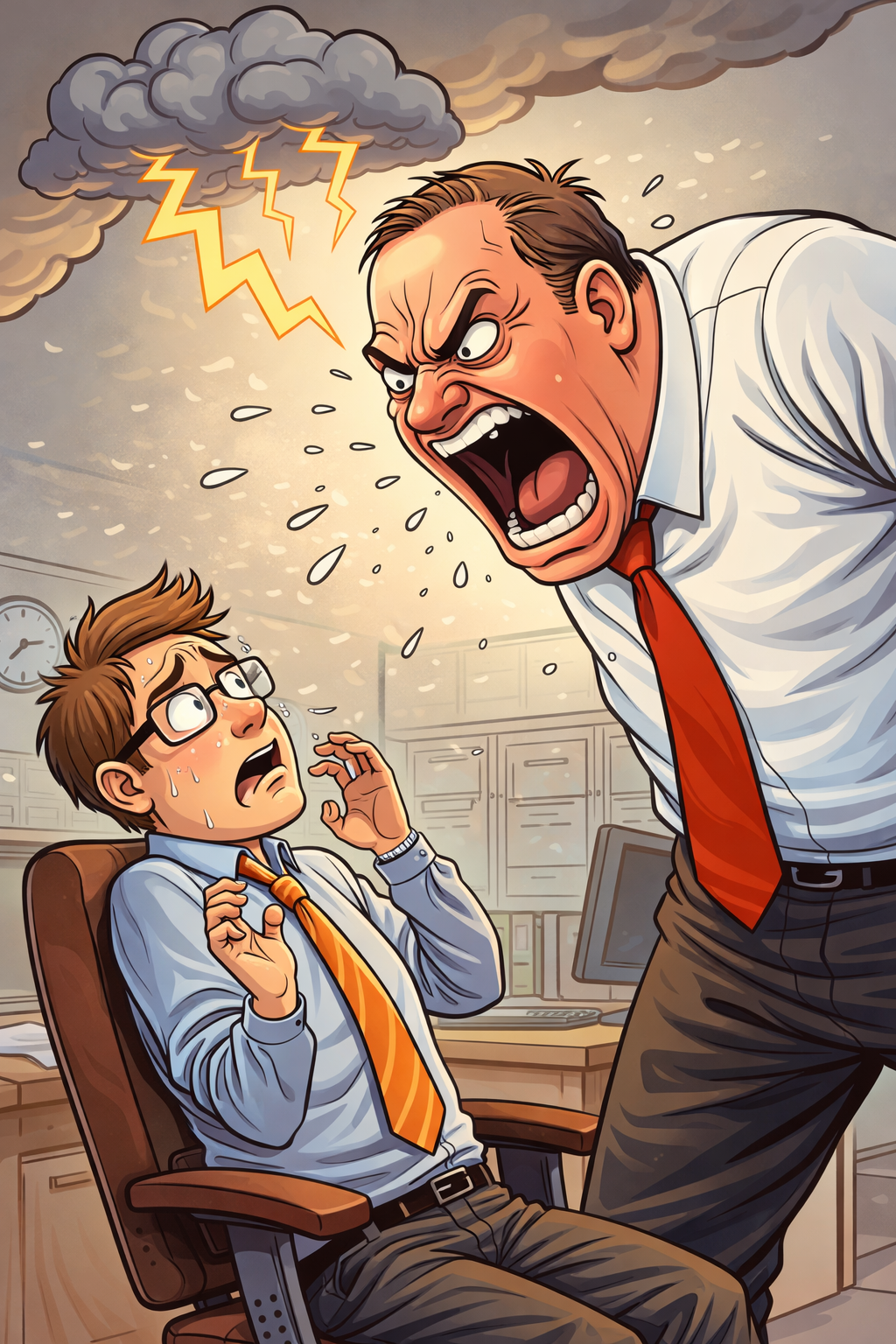
The mantra from the “Anti-Leaders” of that era was simple and toxic: “Give me the value at any cost.” In that environment, volume was the only metric that mattered. I watched my peers “clone” reports, rubber-stamp inflated numbers, and skip the friction of due diligence just to keep the conveyor belt moving. They weren’t appraising; they were just completing patterns.
I refused. While the industry standard was three comparable properties, I used nine. I used lasers and maps to prove the truth, even when it meant my reports took twice as long and cost me 75% of my potential income during the inevitable crash.
I realized then that Authority is a burden you choose to carry, or a weight you quietly hand away. I was the “Canary in the Coal Mine,” and my job wasn’t just to fill out forms—it was to protect the integrity of the entire system. When you trade your judgment for efficiency, you stop leading. You just become another part of the noise.
The Subtle Drift of the Digital Age
Today, I see that same “drift” happening with AI.
Authority is rarely surrendered in a single, dramatic moment. It drifts. It drifts when you ask AI for a recommendation on a delicate email and accept a “reasonable” answer without friction because you’re too busy to pressure-test it.
We are being told that AI is a “Thinking Machine.” It isn’t. It is a Fluency Machine. It can sound more confident than any expert you’ve ever met while simultaneously lacking an ounce of judgment.
If you approach AI as a “Prompt Master,” you’re just looking for faster ways to be generic. But if you approach it as a Bridge Leader, you use the H.E.A.R. Protocol to ensure the technology serves the mission, not the other way around.
The H.E.A.R. Protocol: The Bridge Leader’s Code
A Bridge Leader is the balanced energy in the room. They are the ones who don’t need to be the loudest because they are the most aligned. They use these four pillars to stay “Un-Squishable”:
- Humanity: Leading as a person, not a title. It’s the refusal to hide behind corporate bluster.
- Empathy: The intelligence to see collaborators, not resources. It’s how you spot the “squish” before it happens.
- Alignment: Moving from forced compliance to shared purpose. If the AI (or the team) doesn’t know the Why, the What doesn’t matter.
- Resilience: Being the calm, trusted energy. The strength to say, “I don’t know, but we will find the way.”
Fluency is Not Judgment
The gap between those who “use” AI and those who “direct” it is widening. Most professionals are interacting with AI transactionally: Ask. Receive. Edit. Repeat. But the Bridge Leader moves from interaction to Architecture.
Before you act on an AI output, you have to ask: “If I were called to testify on this decision—not the data, but the choice—could I defend it without saying ‘The AI suggested it’?”
If the answer is no, you’ve handed over your compass. Support strengthens thinking; substitution thins it.
Your Next Step: Reclaim the Stance
I’ve built a specific framework for leaders who are ready to stop the drift and start directing. It’s a guide called “How to Think With AI Without Handing It Authority.” It isn’t a list of cheat codes or “better prompts.” It’s a protocol for keeping the compass in your hand while the tool does the heavy lifting.
Download the Authority Guide – for free
- The Master Guide: THE DIGITAL CLONE – The 3-in-1 system for $29.47.
- Fuel Your Grind: Free the Bean – Coffee for the seekers.
- Rooted in Gratitude: MOTHER – Honoring the quiet steadies.